






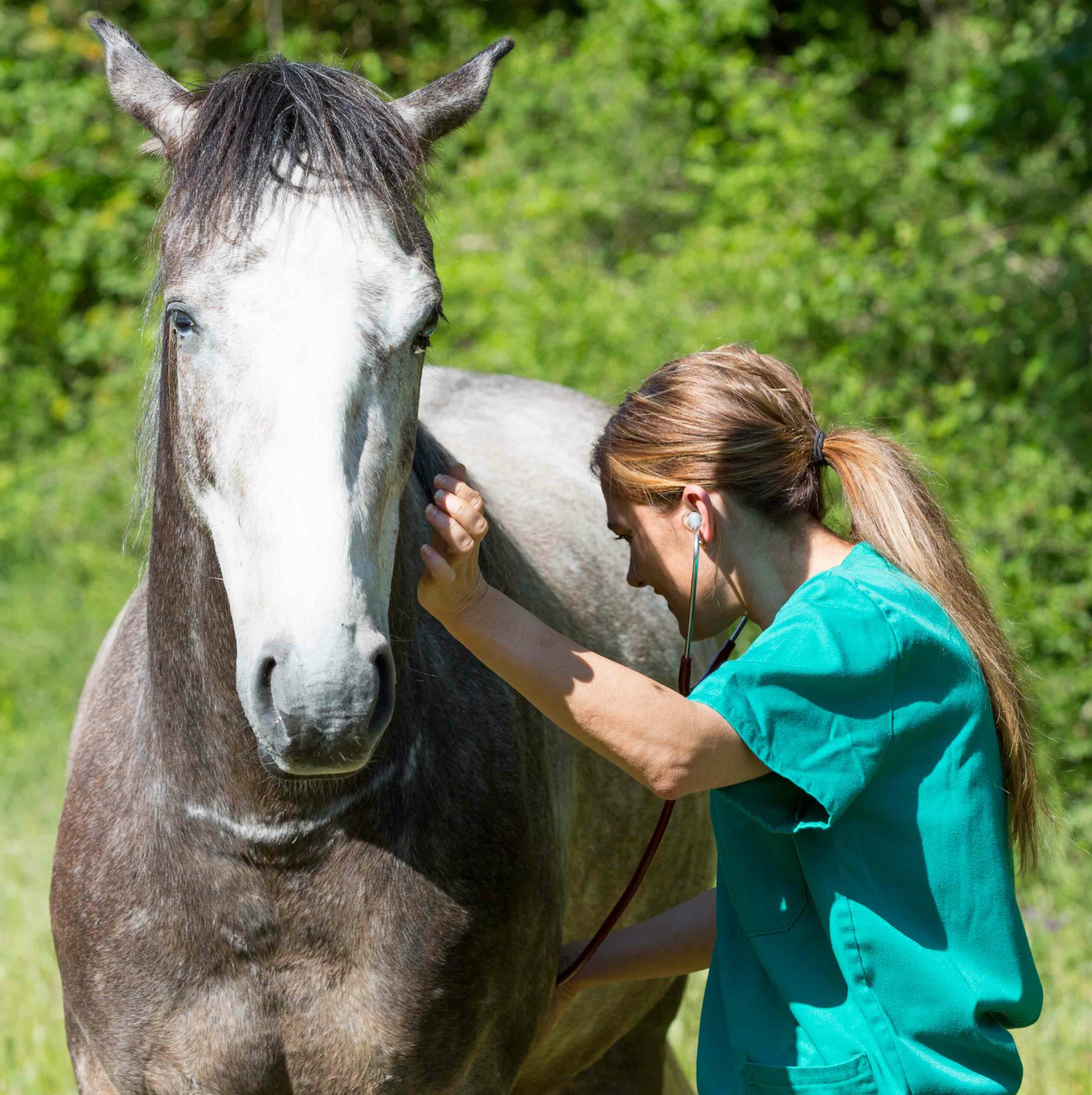
Preventative Care and Wellness
Preventative care is essential to maintaining the long-term health, comfort, and performance of your horse. Establishing a clear baseline of what is normal for your horse allows subtle changes to be identified early—often before they develop into more serious or costly health concerns.
Our preventative care services include annual wellness examinations, vaccinations, routine lab work, dentistry, sheath cleanings, and targeted deworming strategies. By emphasizing a proactive rather than reactive approach to veterinary care, we can better support your horse’s overall wellbeing and help ensure they remain healthy and capable throughout every stage of life.
Preventative Care Services
Wellness Exams
Annual wellness exams are one of the most important tools in preventative care and are strongly encouraged for every horse, regardless of age or workload.
During a wellness exam, we:
-
 Perform a full physical examination
-
Evaluate weight, body condition, and muscle tone
-
Assess eyes, heart, lungs, and digestive health
-
Discuss performance, behavior, nutrition, and management
-
Develop a tailored vaccination, deworming, and care plan
These exams allow us to establish a baseline for your horse and catch early signs of illness, pain, or decline before they become more serious.
Wellness Exams & Prescription Requirements
Annual wellness exams are required for prescription renewals for horses on long-term medications such as Prascend or Equioxx. Scheduling your horse for a yearly exam not only keeps their prescriptions up to date but also offers an added benefit: the cost of the wellness exam can be credited toward the cost of an emergency exam later in the same year. This provides peace of mind and encourages regular preventative care while helping you manage unexpected veterinary needs.
Equine Vaccination Recommendations
Core Vaccinations
Recommended annually for all horses, regardless of lifestyle
| Vaccine | Recommended Schedule | Why It’s Important |
|---|---|---|
| Tetanus | Annually; booster within 6 months of a wound or surgical procedure (including castration) | Protects against a fatal neurologic disease caused by soil-borne bacteria |
| Rabies | Annually | Protects against a fatal zoonotic disease transmissible to humans |
| West Nile Virus (WNV) | Annually | Protects against mosquito-borne neurologic disease |
| Eastern & Western Equine Encephalitis (EEE/WEE) | Annually | Protects against severe and often fatal neurologic disease |
Risk-Based Vaccinations
Recommended based on lifestyle, environment, and exposure risk
| Vaccine | Recommended Schedule | Why It’s Important |
|---|---|---|
| Potomac Horse Fever (PHF) | Annually; best given late spring or early summer | Horses near streams, ponds, irrigated f ields, or in endemic areas |
| Leptospirosis | Annually | Horses near wildlife (deer, rodents), water sources, or in endemic regions; Appaloosas due to ERU risk |
| Equine Influenza (Flu | Annually to bi-annually | Horses that travel, show, compete, board, or frequently interact with outside horses |
| Equine Herpes Virus (EHV-1/4 – Rhino) | Annually to bi-annually | Horses with similar exposure risks as influenza |
| Strangles | Annually (after risk assessment) | Horses that travel, show, board, or live on farms with prior outbreaks or frequent new arrivals |
Special Vaccination Considerations
| Situation | Recommendation |
|---|---|
| Quarter Horses with MYH1 mutation | Use caution with Strangles and Flu/Rhino vaccinations due to risk of immune-mediated myositis |
| Horses with previous Strangles exposure | Titer testing recommended before Strangles vaccination to reduce risk of Purpura Hemorrhagica |
| Modified live vaccines (Strangles vaccination) | Should not be administered at the same time as dental extractions, open wounds, or during pregnancy |
Broodmare Vaccination Guidelines
| Vaccine | Timing | Reason |
|---|---|---|
| EHV (Pneumobort) | 5, 7, and 9 months of gestation | May protect against viral abortion |
| Core Vaccines | 4–6 weeks prior to foaling | Enhances passive immunity for the foal |
| PHF & Leptospirosis | As risk indicates | May protect against placentitis and abortion |
Foal & Young Horse Vaccination Guidelines
| Mare Status | First Vaccines | Boosters |
|---|---|---|
| Mare properly vaccinated | 5–6 months of age | Booster 3–4 weeks later |
| Mare not vaccinated | 3–4 months of age | Booster at 3–4 weeks and again at 6 months |
Combination Vaccines Available
| Combination | Vaccines Included |
|---|---|
| 2-way | Flu / Rhino |
| 4-way | EEE / WEE / WNV / Tetanus |
| 5-way | EEE / WEE / Tetanus / Flu / Rhino |
| 6-way | EEE / WEE / WNV / Tetanus / Flu / Rhino |
| Rabies / PHF | Rabies / Potomac Horse Fever |
Routine Lab Work
-
Routine testing helps detect hidden issues early and supports long-term health.
Coggins testing (EIA)
-
Screens for Equine Infectious Anemia, a contagious disease. Required for travel, shows, sales, and many boarding facilities.
Wellness bloodwork (CBC/Chemistry)
-
Evaluates blood cells, organ function, and overall health to detect issues before symptoms appear.
Metabolic testing (ACTH/ Insulin/ Leptin)
-
Identifies metabolic imbalances and helps guide nutrition, performance, and long-term health management.
Senior Horse Testing
-
Monitors for conditions like Equine Metabolic Syndrome (EMS) and Cushing’s disease (PPID) to support healthy aging.
Vitamin E Testing
-
Detects deficiencies that may affect muscle, nerve, and immune health.
Learn more about our diagnostic services and what each test evaluates on our Diagnostics page.
Dentistry
Routine dental care supports proper nutrition, comfort, and performance. We offer comprehensive dental services, including dental radiographs and extractions. Our doctors are trained in advanced techniques, such as standing incisor removal for EOTRH (Equine Odontoclastic Tooth Resorption and Hypercementosis).
Learn more on our Dentistry page.
Health Certificates
We provide interstate health certificates to ensure your horse meets all state, federal, and destination requirements for travel. A current (within 12 months) negative coggins test is required to issue a health certificate.
Health certificates are traditionally accepted for 30 days from the date of examination; however, specific states, competitions, or disciplines (such as racing) may have different requirements or shorter validity periods, particularly when disease risks vary by region.
Advance scheduling is recommended to allow adequate time for testing and certificate processing prior to travel.
Sheath Cleanings
Sheath cleanings are an important part of routine hygiene and wellness care for male horses. Regular cleaning helps prevent irritation, buildup of smegma,
and infections, which can be uncomfortable and affect your horse’s overall health.
These procedures are often performed during dental exams while the horse is sedated, making the process safer and more comfortable. During a cleaning, our veterinarians can also evaluate the sheath and surrounding structures for abnormalities or masses.
Evidence-Based Deworming Protocols
Modern parasite control focuses on strategic, targeted deworming rather than routine, fixed-interval treatments. This approach protects your horse’s health while slowing the development of anthelmintic resistance, which is now widespread in equine parasites.
Core Principles of Parasite Control
1. No Dewormer Eliminates All Parasites
-
No available anthelmintic removes all life stages of parasites. Deworming should be used to reduce parasite burdens and pasture contamination, not to achieve complete elimination.
2. Use Fecal Egg Counts (FEC)s to Guide Treatment Decisions
-
Perform fecal egg counts (FEC) once or twice yearly to measure parasite egg shedding.
-
Horses are classified as:
- Low shedders (< 200 eggs per gram)
- Moderate shedders (200-500 eggs per gram)
- High shedders(> 500 eggs per gram)
-
Perform fecal egg counts (FEC) once or twice yearly to measure parasite egg shedding.
-
Horses are classified as:
3. Our Preferred Parasite Control Strategy
-
Baseline treatments for all horses (once or twice yearly)
-
Surveillance-based treatments for select horses based on FEC results
4. Stop Outdated Practices
-
Discontinue fixed-interval deworming (e.g., every 6–8 weeks)
-
Do not rotate dewormers blindly
General Deworming Recommendations by Age Group?
| Age Group | Primary Targets | Recommended Treatments | Notes / Tips |
|---|---|---|---|
| Foals (2–6 months) | Roundworms (ascarids) | First treatment at 2–3 months, second at ~5 months | Avoid ivermectin in foals under 6–8 weeks. Early treatment prevents heavy parasite burdens and supports healthy growth. Fecal egg counts are usually not needed in very young foals. |
| Weanlings (5–9 months) | Roundworms → Small strongyles | Test fecal egg counts at 5–6 months; treat at 6–9 months if on pasture | Extra treatment may be needed if roundworms persist. Fecal egg counts help guide targeted treatments and monitor effectiveness |
| Yearlings (12–24 months) | Small strongyles | Treat during spring, mid-transmission season, and fall | Include tapeworm treatment in the second half of the year. Fecal egg counts can identify high shedders and optimize treatment timing. |
| Two- and Three-Year-O lds | Small strongyles | 3–4 treatments annually | Shedding decreases with age; tapeworm treatment should still be included at least once later in the year. Fecal egg counts help monitor parasite load. |
| Mature Horses (5–15 years) | Small strongyles & tapeworms | 1–2 treatments per year; tapeworm treatment at least once for pasture horses | High shedders may need extra treatments; fecal egg counts are recommended to identify high shedders and guide timing. Also monitor for bots and summer sores if indicated. |
| Senior Horses (>15 years) | Small strongyles & tapeworms | Follow mature horse protocol with closer monitoring | Older horses may revert to high shedding; conditions like Cushing’s disease can increase parasite load. Fecal egg counts are especially important to guide treatment frequency. |
If you have questions or would like help designing a parasite control program tailored to your horse or facility, please contact our team.
Faqs
Frequently Asked Questions About Preventive Care and Wellness
Why is preventive care important for horses?
Preventive care helps maintain your horse’s long-term health, comfort, and performance. Regular wellness exams, vaccinations, and routine testing allow veterinarians to detect subtle health changes early often before they develop into more serious or costly conditions.
What happens during a horse wellness exam?
During a wellness exam, our veterinarians perform a comprehensive physical examination, evaluate weight and body condition, assess the eyes, heart, lungs, and digestive system, and discuss your horse’s nutrition, behavior, and management. These exams help establish a health baseline and guide personalized care recommendations.
How often should my horse have a wellness exam?
Most horses should have a wellness exam at least once a year, regardless of age or workload. Annual exams help keep vaccinations, parasite control, and prescriptions up to date while allowing veterinarians to monitor changes in your horse’s health over time.
What vaccines does my horse need?
All horses should receive core vaccines such as tetanus, rabies, West Nile virus, and Eastern and Western Equine encephalitis. Additional risk-based vaccines such as influenza, herpesvirus, or strangles may be recommended depending on your horse’s lifestyle, travel, and exposure to other horses.
How does targeted deworming work?
Modern parasite control uses fecal egg count testing to identify how much each horse sheds parasite eggs. This allows veterinarians to create a strategic deworming plan tailored to the individual horse, reducing unnecessary treatments and helping slow the development of parasite resistance.