






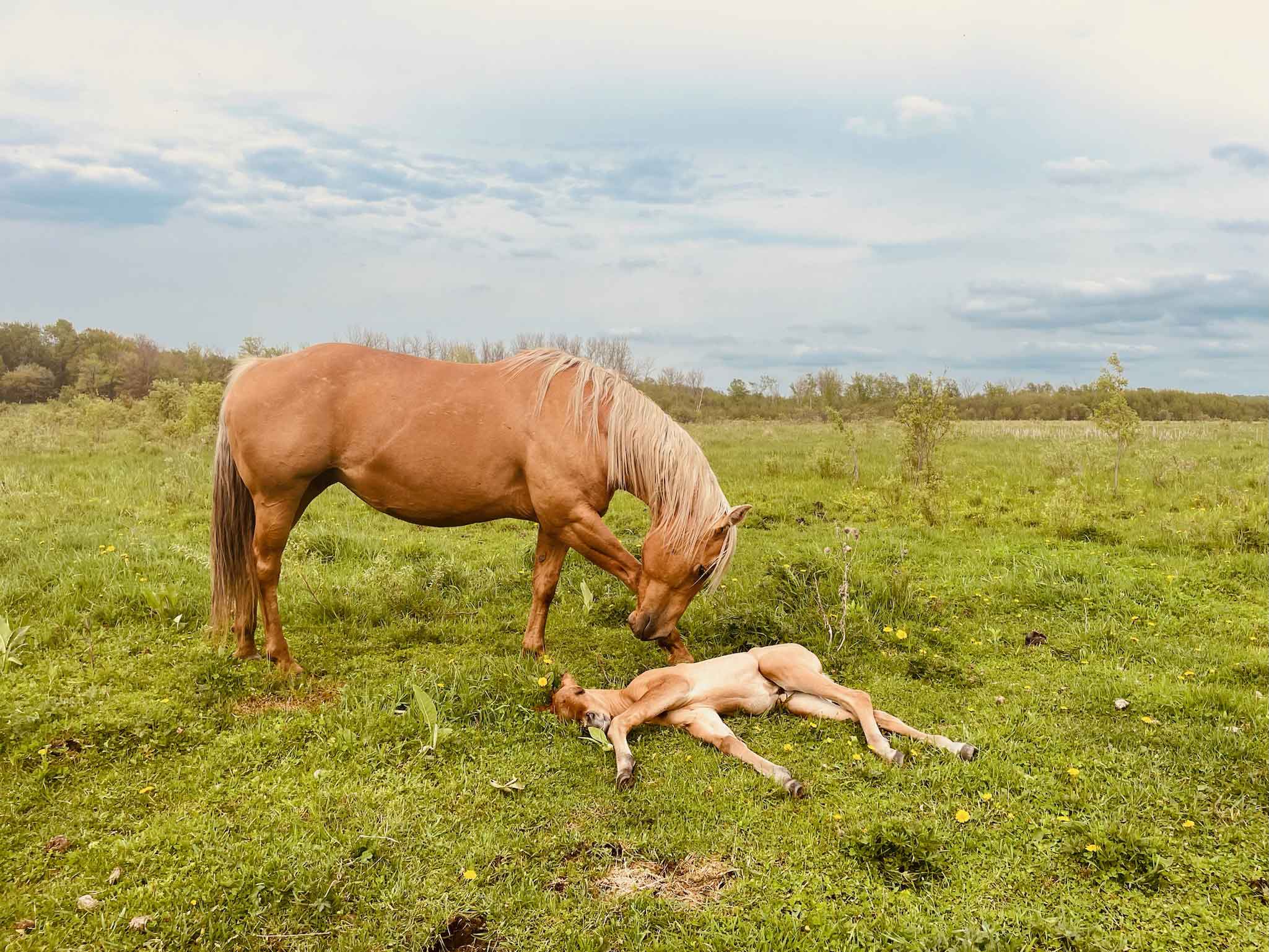
From Follice to Foal
Sunrise Equine provides comprehensive reproductive services for broodmares. Our reproductive program is designed to optimize breeding success through close monitoring, comprehensive care, and convenient in-clinic services.
Mare Reproductive Care
Our services include:
-
 Transrectal ultrasound monitoring of ovarian activity and uterine health
-
Hormonal management to optimize ovulation timing
-
Artificial insemination using fresh cooled semen only
-
Pre and post-breeding mare care
-
Pregnancy diagnosis and follow-up examinations
Breeding Services & Care Packages
We offer in-clinic mare care and breeding packages for mares housed at our facility during their heat cycles. By utilizing our clinic, mares can be closely monitored for follicle development and ovulation timing, allowing us to coordinate semen shipment and insemination with precision. This approach improves efficiency, reduces missed breeding opportunities, and supports better reproductive outcomes.
Important Notes:
- We do not offer stallion services, including semen collection or evaluation.
- We do not perform frozen semen breeding.
- Reproductive services are provided primarily in-clinic, and we have discontinued routine on-farm breeding services for most clients.
If you have questions about our breeding packages or whether your mare is a good candidate for our program, please contact our office for more information.
Neonatal Foal Care
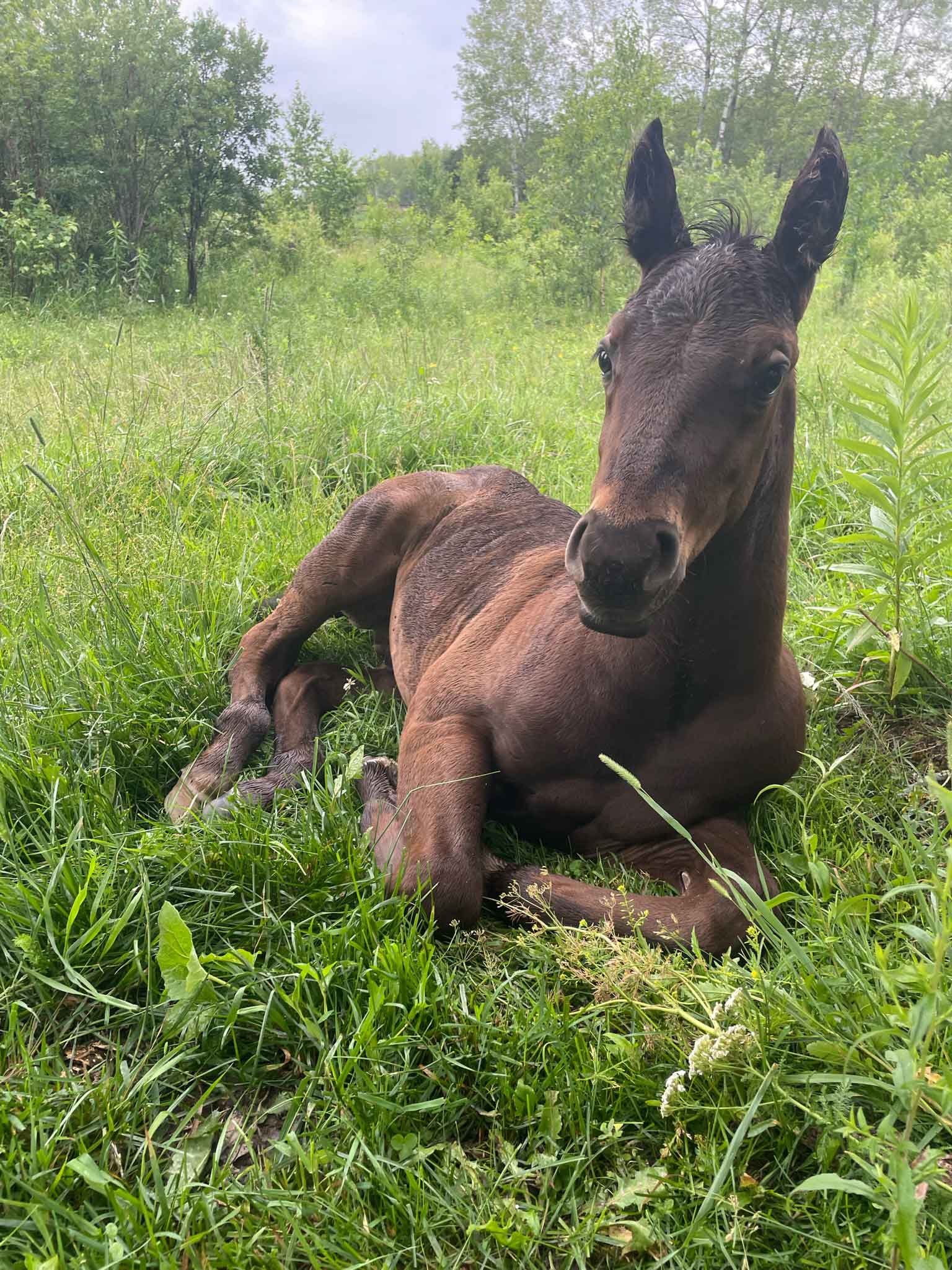
Every newborn foal should be examined by a veterinarian within the first 48 hours to identify conditions that may impact long-term health and development. A neonatal foal exam includes a complete physical examination along with IgG testing to ensure the foal has absorbed an adequate amount of colostrum and has appropriate immune protection.
During the exam, the veterinarian will evaluate:
-
Overall health and vital parameters
-
Passive transfer of immunity via Immunoglobulin testing (IgG) - this test should be performed 12 - 24 hours after the foal has started to nurse
-
Eyes and umbilicus
-
Oral cavity for bite abnormalities or cleft palate
-
Limb alignment for angular limb deformities
If a problem is identified, one of our experienced veterinarians will discuss appropriate treatment and management options. In cases of low IgG, the foal has not absorbed sufficient colostrum and may require intravenous plasma transfusion to support a healthy immune system.
We recommend scheduling both a neonatal foal exam and postpartum mare exam within 48 hours after birth. Please contact our office as soon as your foal arrives to arrange these important evaluations.
Faqs
Frequently Asked Questions About Reproductive
What reproductive services do you offer for mares?
Sunrise Equine provides a range of reproductive services including transrectal ultrasound monitoring, hormonal management for ovulation timing, artificial insemination with fresh cooled semen, pregnancy diagnosis, and follow-up reproductive examinations.
Do you offer stallion services or frozen semen breeding?
No. Sunrise Equine does not provide stallion services such as semen collection or evaluation, and we do not perform frozen semen breeding. Our reproductive program focuses on mare care and breeding using fresh cooled semen.
Why is reproductive monitoring important for successful breeding?
Close reproductive monitoring allows veterinarians to track follicle development, uterine health, and ovulation timing. This helps coordinate semen shipment and insemination more precisely, improving the chances of successful conception.
Should my mare stay at the clinic during her breeding cycle?
Many mares benefit from staying at the clinic during their heat cycle so veterinarians can monitor follicle development and ovulation closely. This approach helps ensure accurate timing for insemination and reduces the risk of missed breeding opportunities.
Why should newborn foals have a veterinary exam within the first 48 hours?
A neonatal exam allows veterinarians to evaluate the foal’s overall health, check limb alignment, assess the eyes and umbilicus, and perform IgG testing to confirm the foal has received adequate immune protection from colostrum. Early evaluation helps identify and address potential health concerns quickly.
For breeding clients, mares enrolled in our breeding programs are required to stay at the clinic to allow close monitoring and precise cycle tracking, helping support a successful pregnancy and healthy foal.
Mares may be boarded at or hauled to the clinic for breeding services; however, on-farm breeding is not a service we provide.