






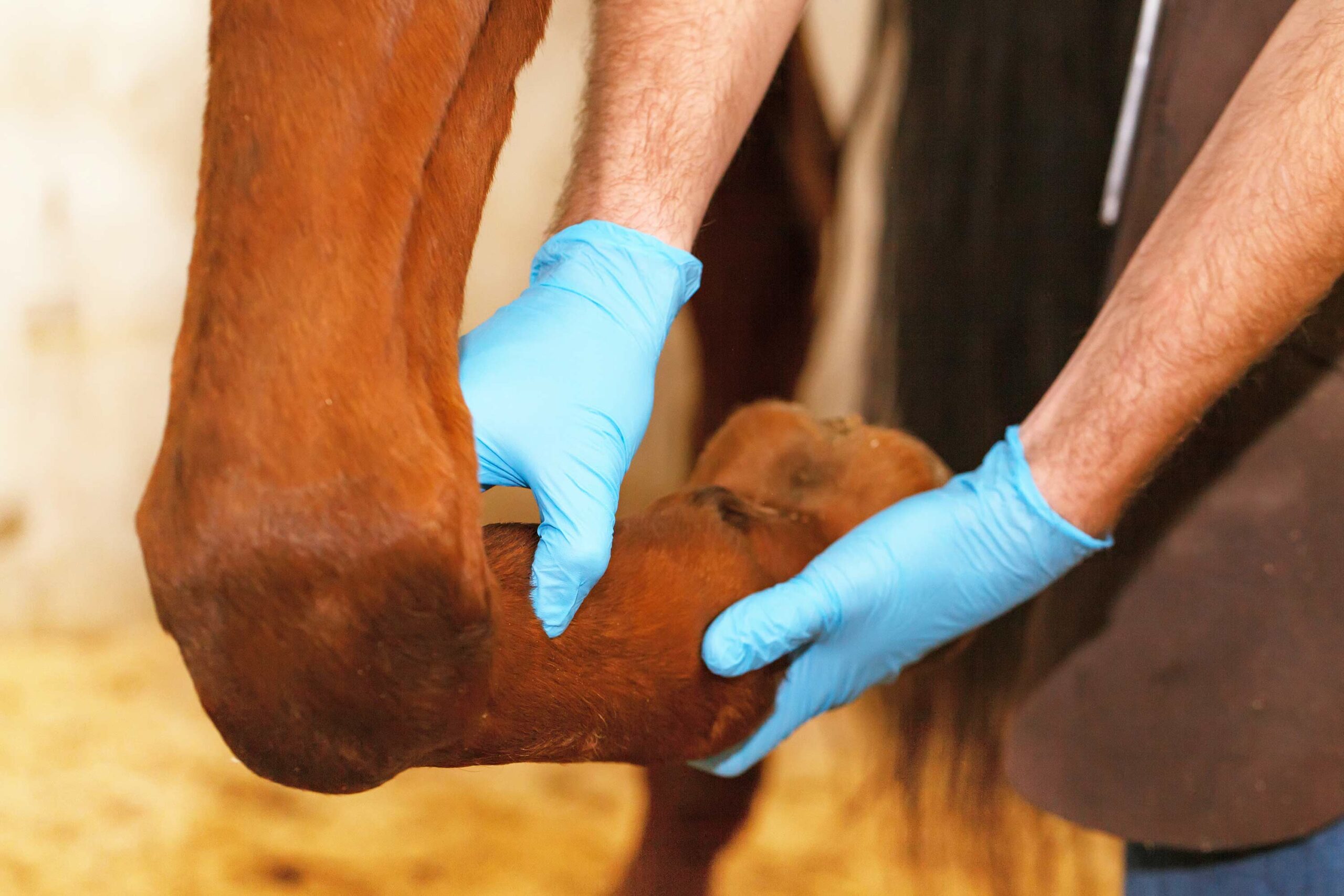
Equine Chiropractic
Chiropractic care focuses on the vital relationship between the spine, joints, and nervous system. Horses rely on hundreds of joints working together with precise, healthy motion to support balance, comfort, and performance. When a joint becomes restricted, it disrupts surrounding muscles, connective tissues, and the nerves that “feed” the body information. This can lead to pain, inflammation, uneven muscling, and compensatory movement patterns throughout the horse’s body.
Movement is essential to the health of the nervous and musculoskeletal systems—much like nutrition is essential to overall wellness. Just as poor-quality feed leads to health issues, poor-quality movement can result in muscle loss, stiffness, and reduced performance. When a restricted joint limits nerve and muscle function, restoring motion allows normal nerve signaling and muscle activity to return.
How Chiropractic Works
A chiropractic evaluation uses careful palpation to identify areas where motion is restricted. Once identified, a trained veterinarian applies a precise, high-velocity, low-amplitude adjustment to a specific joint. This technique does not “put bones back into place”; instead, it restores normal joint mobility and helps reestablish healthy biomechanics.
Because of a horse’s thick musculature, audible cracking or popping sounds—common in human chiropractic—are uncommon and not a goal of treatment.
Benefits of Chiropractic Care
Chiropractic care is a valuable treatment for more than just performance horses. Regular adjustments may help improve comfort, flexibility, and general wellbeing in pleasure horses, seniors, and horses healing from injury or illness.
By improving joint function and addressing subtle restrictions in movement, chiropractic care supports more efficient biomechanics and contributes to long-term musculoskeletal health.
Symptoms That May Warrant a Chiropractic Evaluation
There are several signs that may indicate a horse could benefit from a chiropractic evaluation. These may include:
-
 Decreased performance
-
Generalized stiffness of the neck, back, pelvis, or tail
-
Attitude or behavior changes
-
Discomfort when saddled or bridled
-
Reluctance bending to one side or flexing poll
-
Difficulty performing lateral work
-
Muscle atrophy or uneven development
-
Difficulty picking up or maintain a lead
-
Reluctant to hold up limbs for farrier
-
Abnormal posture
-
Difficulty getting up and down
-
Lameness
Veterinary Chiropractic Matters
At a horse’s first chiropractic appointment, an exam—including a soundness evaluation—is performed. Because chiropractic care at Sunrise Equine is provided by veterinarians, subtle lameness or medical concerns can be identified and addressed appropriately. While chiropractic can support many lameness cases, treating the underlying issue first often leads to better results and longer-lasting improvement.
What to Expect and Aftercare
The appropriate frequency of chiropractic sessions varies depending on the horse’s individual needs, workload, and response to care. Chiropractic therapy may be used on its own or combined with acupuncture and other modalities to support comprehensive whole-horse health and performance.
Scheduling Chiropractic Care
Both Dr. Kirsten and Dr. Katie are certified in equine chiropractic and provide chiropractic services on farm or in clinic. Contact us
Faqs
Frequently Asked Questions About Equine Chiropractic
How does equine chiropractic care benefit horses?
Equine chiropractic care helps restore normal motion to joints in the spine and body. When joint movement improves, nerve communication, muscle function, and overall biomechanics also improve. This can lead to better flexibility, comfort, and performance for horses of all ages and activity levels.
How does chiropractic treatment work for horses?
During a chiropractic evaluation, the veterinarian carefully palpates the horse’s spine and joints to identify areas of restricted movement. A precise, controlled adjustment is then applied to restore normal joint mobility and improve communication between the nervous system and muscles.
What signs indicate my horse may benefit from chiropractic care?
Horses that show stiffness, decreased performance, behavioral changes, uneven muscling, difficulty bending, or discomfort when saddled may benefit from a chiropractic evaluation. Issues such as trouble picking up leads, abnormal posture, or reluctance to work can also indicate joint restrictions.
Is chiropractic care only for performance horses?
No. While performance horses often benefit from chiropractic adjustments, this therapy can also help pleasure horses, senior horses, and horses recovering from injury. Improving joint mobility and biomechanics supports comfort and overall wellbeing for horses of all activity levels.
Who provides chiropractic care at Sunrise Equine?
At Sunrise Equine, chiropractic care is performed by licensed veterinarians who are certified in equine chiropractic. This ensures that each horse receives a thorough examination and that any underlying medical conditions or lameness issues are properly evaluated before treatment.